Destruction and Removal Efficiency Measurement of GHG Abatement Systems in Semiconductor and Display Fabs
Overview
Semiconductor and display manufacturing uses fluorinated greenhouse gases for etching, deposition and chamber cleaning, and the exhaust gas is treated by abatement systems (scrubbers). How much of this gas the abatement system destroys or removes is a key value in calculating a company’s greenhouse gas emissions.
Since 2015, when the scheme was first introduced, EL has provided abatement efficiency measurement services to a major Korean semiconductor manufacturer.
Project Background
Korea has operated a national Greenhouse Gas Emissions Trading Scheme since 2015. Under this scheme, major semiconductor and display manufacturers must report their greenhouse gas emissions to the government every year.
Accurate emissions calculation requires on-site measurement of the efficiency of abatement systems in actual operation. Inaccurate measurements lead to over- or under-estimated emissions, directly affecting emission allowance costs and external credibility.
Measurement & Analysis
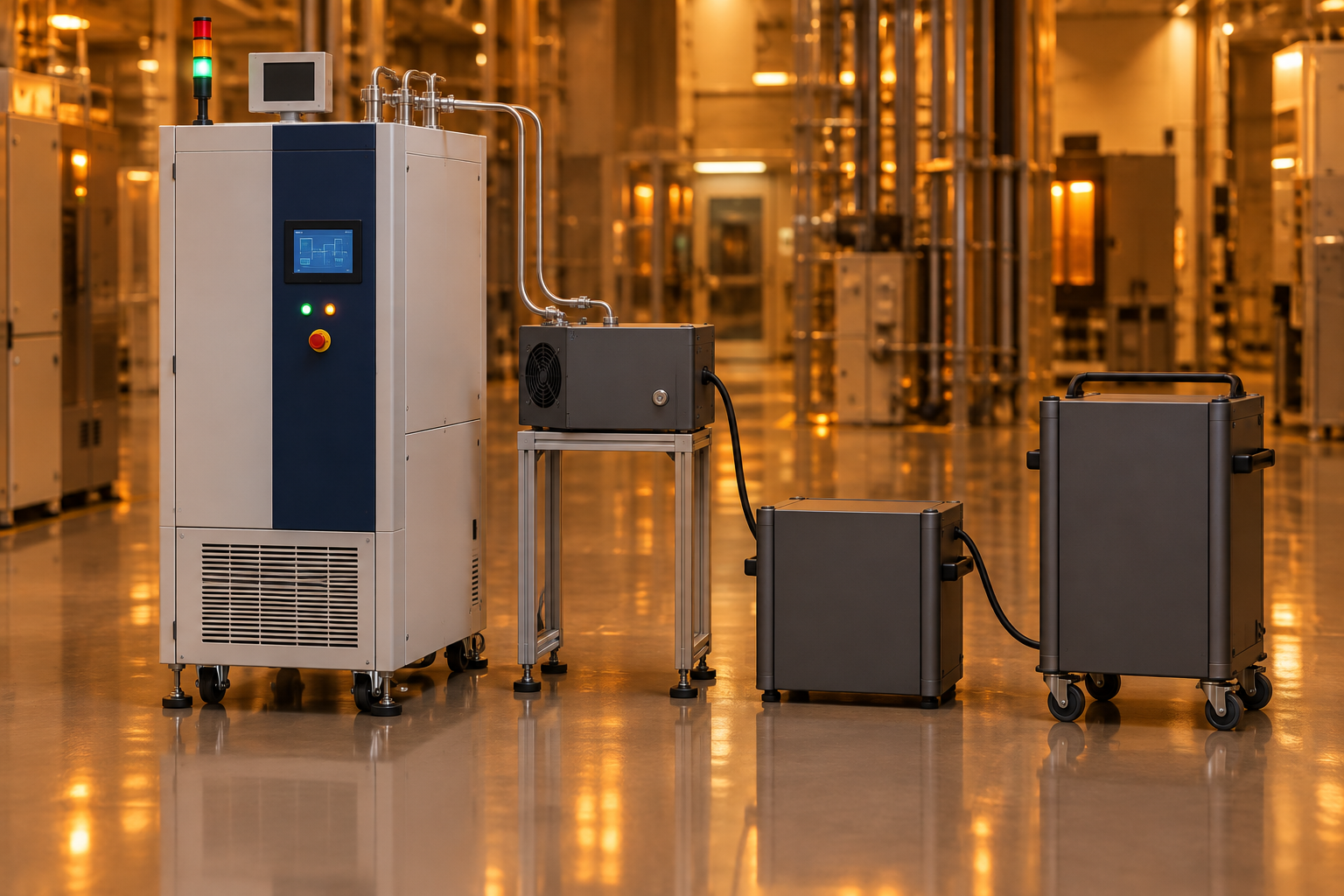
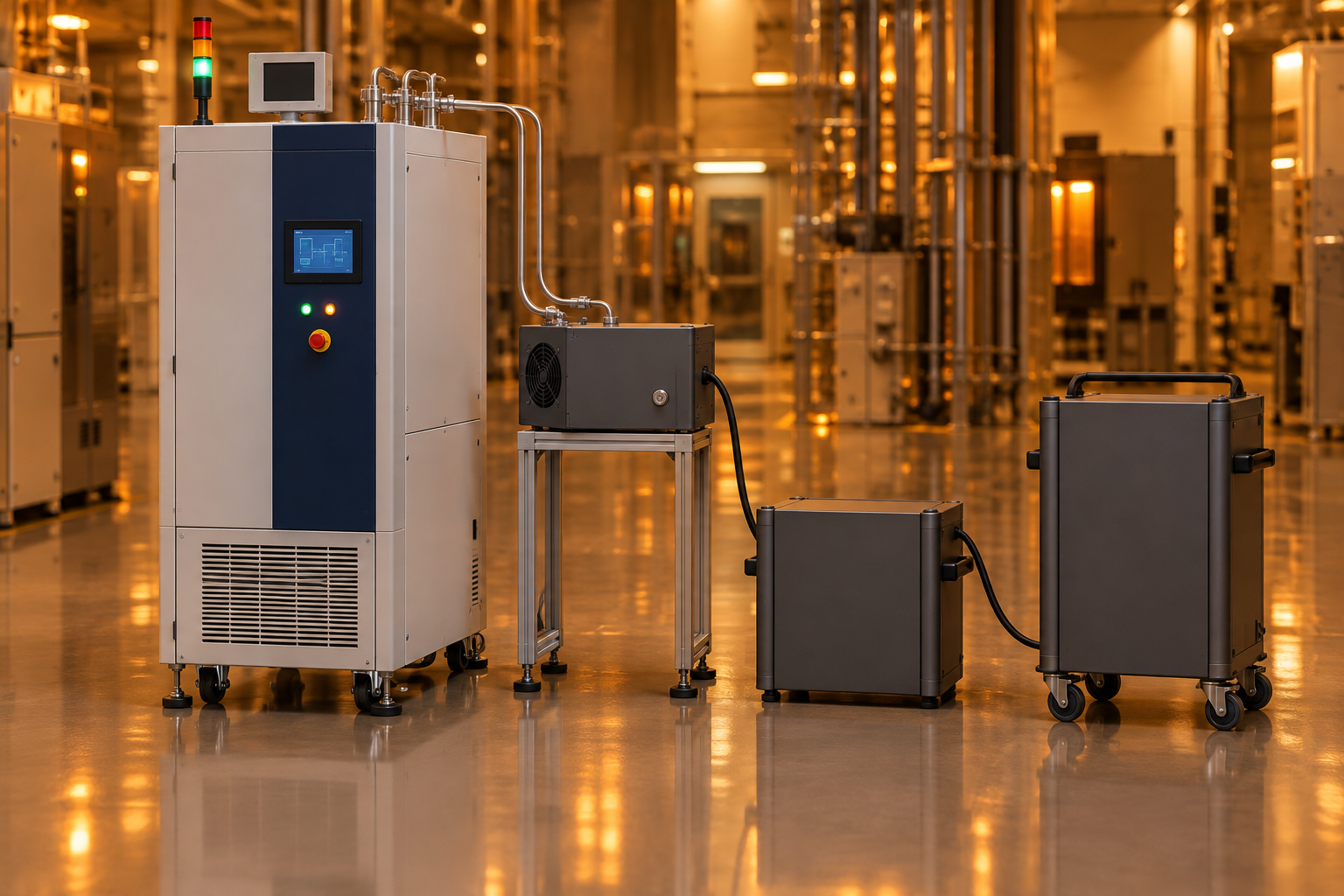
Gas samples were taken from the inlet and outlet lines of the abatement system, and the efficiency was calculated by comparing the emissions of each component at the two points.
Using a quadrupole mass spectrometer (QMS) together with a Fourier-transform infrared spectrometer (FT-IR), the gases in the lines were quantified in absolute terms, component by component.
The two techniques were applied complementarily, so that a wide range of fluorinated gases and decomposition by-products could be evaluated at once.
Key Findings
• Continuously provided abatement efficiency measurement services from the start of the scheme in 2015 to the present.
• Performed absolute, component-by-component quantitative analysis of in-line gases using QMS and FT-IR.
• Secured, through on-site measurement, the efficiency data required for Emissions Trading Scheme reporting.
• Expanded the service to Southeast Asian markets based on domestic project experience.
Outcome & Benefits
Based on reliable on-site measurement data, the client was able to calculate and report its greenhouse gas emissions and check the operating condition of its abatement systems.
Building on this experience, we have been expanding the service to Southeast Asia, including Singapore, since 2024, and is preparing to enter the European market from 2027.